
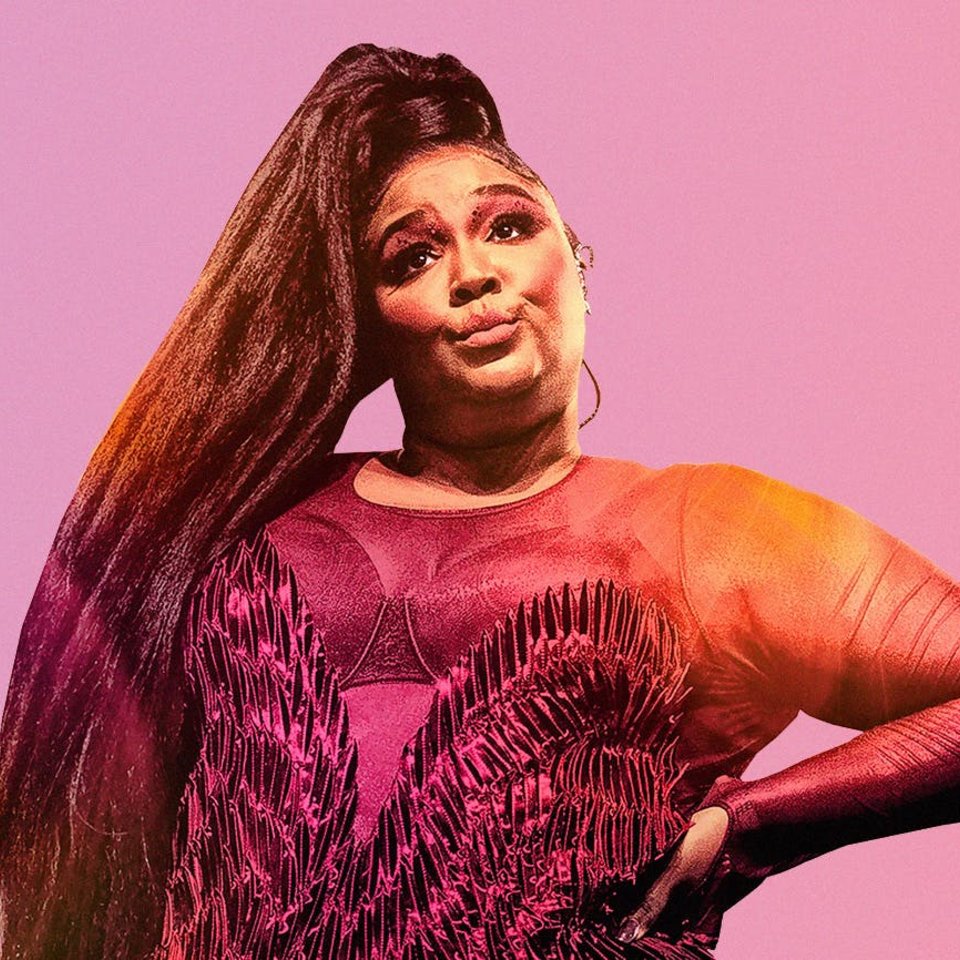
What can Lizzo teach us about women representation in music?
Over recent years, female singers have been more vocal about the gender disparities within the music industry. Beyoncé made feminism the anthem of a generation ever since her show at the MTV Video Music Awards in 2014, which encouraged millions of girls around the world to demand their rights from the world. As a female artist, not having your entire career shrunk down to your body image can be a challenging feat, but one that “Good As Hell” singer Lizzo is ready to accept. She established herself as an important catalyst of change within the global music scene, as her songs make many references to her plus-size body and romantic relationships.
"They don't know I do it for the culture, goddamn"
In her latest single, Rumors, for which she teamed up with Cardi B, Lizzo condemns an industry eager to shame women for their looks and force-feed them toxic expectations of ‘body positivity’. The artist noted in an interview with Vogue earlier this year that the entire body positivity movement derailed from its meanings and has turned into a complacent notion that doesn’t promote transformation. “I would like to be body-normative. I want to normalize my body (...). What I don’t like is how the people that this term was created for are not benefiting from it. Girls with back fat, girls with bellies that hang, girls with thighs that aren’t separated, that overlap. Girls with stretch marks. You know, girls who are in the 18-plus club.”
The unbalanced representation of gender
Recent statistics showed worrying disparities between the numbers of male vs female songwriters, the latter making up only 12.6% of them all. In many ways, songs are the common language of the moment and their lyrics constitute the narratives we keep playing in our heads. Hip-hop and rap are particularly popular genres among the youngest public, and many of these songs offer a distorted image of the female body. This begs the question of whether music is conveying the right message to the public and the values on which our societies are built.
It is essential for the music industry to take responsibility for its influence and diversify its messages. Artists like Lady Gaga and Billie Eilish have strengthened the feminist discourse with songs that bring to light themes like patriarchy and sexual abuse, but there is still a lot left to do to balance the narrative when it comes to gendered dynamics of power.
If the words women are singing have been penned by male songwriters, then they must actively join the conversation on gender diversity and feminism. In other words, the music industry needs to turn itself into a safer place for both genders to express themselves in equal terms. Having world-famous male rappers promoting feminist messages is an important tool in changing the dialogue around the female body, and consequently, the body neutrality movement.
We are responsible for shaping the way this era sounds and its echo on the next generation. “I owe it to the people who started this (body positivity movement) to not just stop here. We have to make people uncomfortable again so that we can continue to change. Change is always uncomfortable, right?” - Lizzo.
Featured image credits: Hype Williams
Keep reading
All stories
Behind the Party: Sex Tales & Cocktails
Sex Tales & Cocktails | Helsinki | Disco We take a look behind the party with the Sex Tales & Cocktails organizers Hitoshi Omori & Justus Arvelin.
Read · 2 min
Reset the City: Berlin with Axel Hjertman
There’s inspiration in every corner of Berlin and events for everyone. Bold club nights, gallery exhibitions, or street performances: this is a city for creativity. We asked DJ and producer Axel Hjertman what are the unmissable places and things to do in Berlin. Take your notes and make your next trip to Germany’s capital unforgettable.
Read · 2 min
Reset the City: Beirut with Reem Naamani
We asked dance artist Reem Naamani to describe Beirut's cultural scene. From the traditional buildings to a new generation of artists, Lebanon is an inspiring place for Reem - and you can discover why on this new Reset the City episode.
Read · 1 min